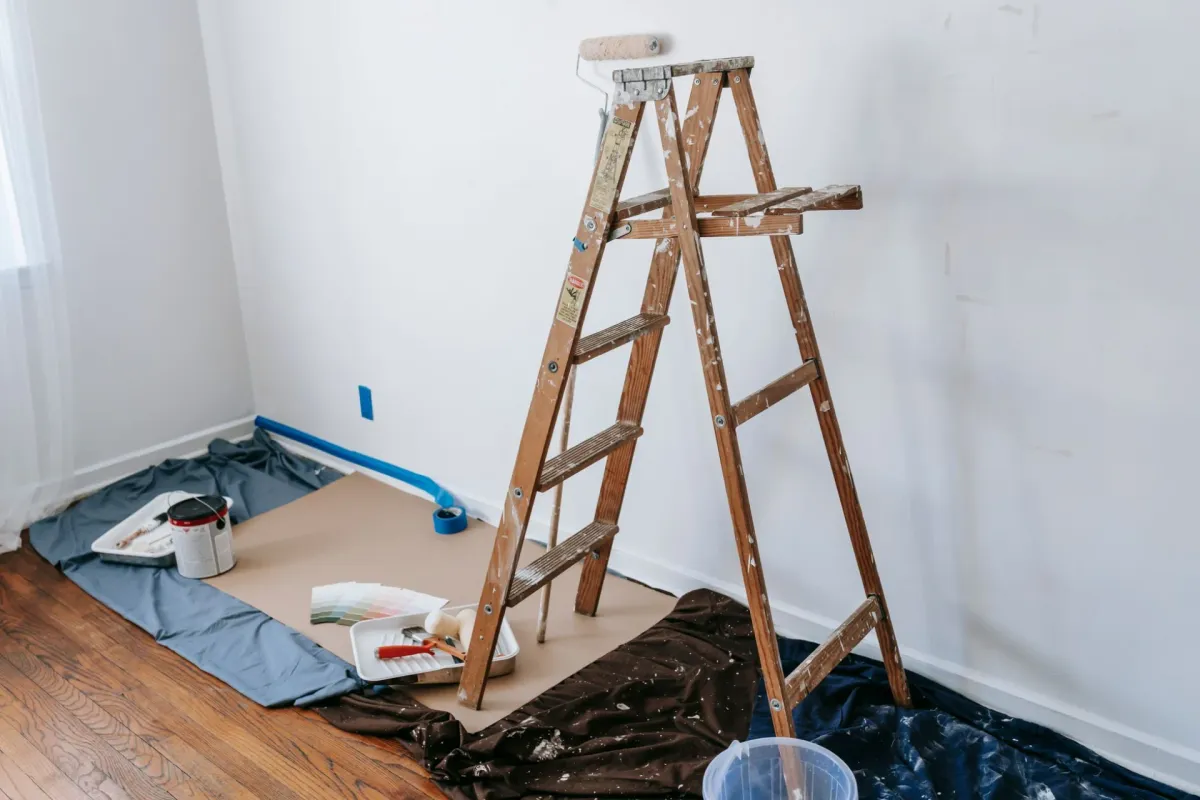
Not all home improvements add value. Some do; some don’t. Here’s how I think about it when sellers ask what to update before listing.
One note up front: I’m not quoting specific return percentages or price tags here, because they vary a lot by house, contractor, and timing. Get local quotes, and talk to me about what recent comparable sales in your area show buyers are paying for.
Usually Worth It
Paint and flooring
- Fresh, neutral interior paint
- Replacing worn carpet or damaged flooring
- Why: These are relatively low-cost updates that change a buyer’s first impression
Curb appeal and landscaping
- Clean beds, fresh mulch, trimmed shrubs, a tidy entry
- Why: It’s the first thing buyers see, in person and in listing photos
Kitchen refresh (a modest update, not a full remodel)
- Paint or reface cabinets, update hardware, lighting, and fixtures, replace dated counters or appliances if needed
- Why: Buyers judge the kitchen closely
Bathroom refresh
- New fixtures, vanity, lighting, and caulk or grout repair
- Why: Clean, updated baths reassure buyers
Fixing what’s failing
- A failing roof, HVAC system, or water heater will show up in the buyer’s inspection
- Why: Replacing a failing system may not add much value on its own, but it prevents a bigger price reduction or a lost deal
Sometimes Worth It
HVAC replacement (if the system is old or failing)
- Newer systems are a selling point and come up in inspections
Deck or patio
- Outdoor space is valued, especially when the existing deck is in poor shape
Windows (if they’re failing)
- Energy efficiency and appearance, but the cost is high relative to the value they add
Usually Not Worth It Before Selling
Over-personalizing
- Bold paint colors, custom layouts, niche décor
- Why: Buyers want to picture their own things in the space
Additions (second story, room addition)
- Why: The cost is high and hard to recover at sale, though an addition can be worth it if you’re staying
Pool
- Why: Maintenance costs and insurance considerations limit how much buyers will pay for it
Home theater, wine cellar, sauna
- Why: Narrow appeal
Smart Renovation Strategy for Harrisonburg
If you’re selling in the next year or two:
- Focus on curb appeal, paint, and flooring
- Fix anything failing (roof, HVAC, leaks)
- Refresh the kitchen and baths if they’re clearly dated
- Keep the budget tight and skip big projects
If you’re staying for years:
- Invest in efficiency: HVAC, insulation, windows
- Update kitchens and baths as they wear
- Add a deck or patio if you’ll use it
- Don’t obsess over resale return; spend on what you’ll enjoy
General rule:
- Smaller cosmetic projects usually recover more of their cost
- Large projects (additions, major remodels) recover less, but can improve how you live in the home
- Avoid anything too personal
Hiring Contractors
Get at least three quotes. Check licensing and references, and get the scope and price in writing. Cheaper isn’t always better.
Key Takeaways
- Paint, flooring, and curb appeal are usually the best pre-listing updates
- Fix failing systems before a buyer’s inspection finds them
- Kitchen and bath refreshes help when they’re dated
- Avoid pools, theater rooms, and over-personalizing before you sell
Planning to sell? Let’s talk about which updates make sense for your home. Call me at (540) 246-9067.
Frequently Asked Questions
Which home improvements are usually worth it before selling?
Fresh neutral paint, replacing worn flooring, curb appeal and landscaping, a modest kitchen and bathroom refresh, and fixing anything that is failing, such as a roof, HVAC system, or water heater.
Which updates usually aren't worth it before selling?
Over-personalizing, additions, pools, and niche rooms like a home theater, wine cellar, or sauna. The cost is high, the appeal is narrow, or both.
Should I replace a failing roof or HVAC system before I list?
A failing system will show up in the buyer's inspection. Replacing it may not add much value on its own, but it can prevent a bigger price reduction or a lost deal.
Do small cosmetic projects or big remodels recover more of their cost?
Smaller cosmetic projects usually recover more of their cost. Large projects like additions and major remodels recover less, though they can improve how you live in the home.
What should I do differently if I'm staying in the home for years?
Invest in efficiency (HVAC, insulation, windows), update kitchens and baths as they wear, and spend on what you'll enjoy rather than on resale return.
How many contractor quotes should I get?
At least three. Check licensing and references, and get the scope and price in writing.